Click-through rates (CTR) are a crucial metric for any online content creator or marketer. Understanding the importance of click-through rates is essential for effectively manipulating topics to improve CTR.
CTR measures the percentage of people who click on a specific link or advertisement out of the total number of individuals who view it. A high CTR indicates that your content is engaging and relevant to your audience, while a low CTR signals that there may be room for improvement.
By manipulating topics to increase CTR, you can attract more traffic to your website, increase brand awareness, and ultimately drive conversions. There are several methods you can use to optimize your topic titles and descriptions to boost CTR, such as using compelling language, incorporating keywords, and A/B testing different variations.
Understanding the importance of click-through rates can help you make data-driven decisions about your content strategy and ensure that you are creating content that resonates with your target audience. By consistently monitoring and analyzing your CTR metrics, you can identify trends, fine-tune your approach, and ultimately achieve better results.
In conclusion, click-through rates play a vital role in determining the success of your online content. By recognizing the significance of CTR and implementing effective manipulation methods, you can maximize engagement with your audience and improve overall performance.
CTR manipulation methods are techniques used to artificially increase the click-through rate (CTR) for a specific topic or website. These methods can be employed in various ways, such as using click bots or other automated tools to generate fake clicks on links, creating misleading advertisements that entice users to click, or engaging in unethical practices to boost CTR numbers.
While these tactics may seem like a quick and easy way to improve visibility and drive traffic to a site, they ultimately undermine the integrity of digital marketing and can have negative consequences for both advertisers and users. For example, if search engines detect fraudulent activity or suspicious patterns of behavior, they may penalize the offending site by lowering its rankings or banning it altogether.
Furthermore, manipulating CTR not only deceives users but also skews data and analytics, making it difficult for marketers to accurately measure the effectiveness of their campaigns. This can lead to misguided decisions based on false information and ultimately harm the reputation and credibility of a brand.
In conclusion, while it may be tempting to resort to CTR manipulation methods in an attempt to achieve short-term gains, it is important to consider the long-term implications and ethical ramifications of such actions. Building a strong online presence requires genuine engagement with users and delivering valuable content that resonates with them. By focusing on creating high-quality experiences and fostering authentic connections with your audience, you can achieve sustainable growth without compromising your integrity.
Click-through rates are a crucial metric for businesses and marketers, as they indicate the effectiveness of online advertising campaigns in driving traffic to websites.. However, some unscrupulous individuals may resort to manipulating click-through rates in order to artificially inflate their numbers and deceive advertisers into thinking their campaigns are more successful than they actually are.
One common technique used to manipulate click-through rates is click fraud, where automated bots or individuals repeatedly click on ads with no intention of engaging with the content.

Posted by on 2024-05-03
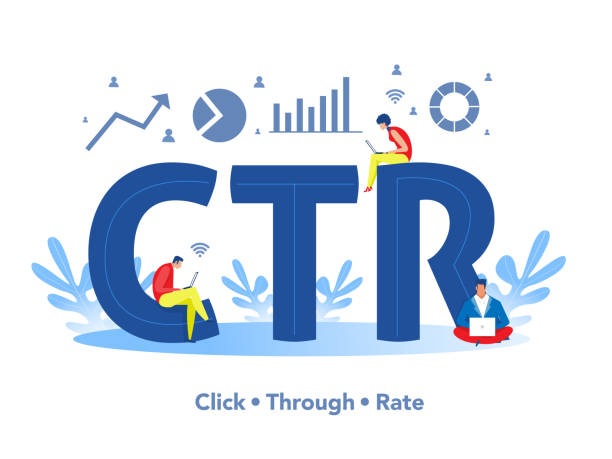
In the digital marketing world, Click-Through Rate (CTR) manipulation detection is a crucial aspect of ensuring fair and accurate measurement of online advertising performance.. As fraudulent activities such as click farms and bot traffic continue to impact the integrity of CTR metrics, marketers rely on various tools and software to detect and prevent manipulation.
One of the key challenges in CTR manipulation detection is distinguishing genuine user interactions from artificial ones.
Posted by on 2024-05-03
Have you ever wondered how some websites seem to magically attract more clicks and traffic than others?. The secret lies in understanding and manipulating click-through rates (CTR), a key metric that measures the percentage of users who click on a specific link or advertisement.
To uncover the secrets of CTR manipulation, you need to have the right tools at your disposal.

Posted by on 2024-05-03
In the world of digital marketing, click-through rate (CTR) manipulation tactics have become a common challenge for businesses looking to drive traffic and conversions through online advertising.. However, many companies have successfully detected and prevented these deceptive practices through careful analysis and strategic measures.
One such case study involves a popular e-commerce website that noticed a sudden increase in CTR on one of their paid ad campaigns.
Posted by on 2024-05-03
CTR manipulation is a controversial practice that involves artificially inflating the click-through rate of a website or ad in order to improve its visibility and ranking on search engines. While some may see this as a harmless way to boost traffic and attract more viewers, there are significant risks and consequences associated with this deceptive tactic.
One of the main risks of CTR manipulation is the potential for backlash from search engines. Companies like Google have sophisticated algorithms in place to detect fraudulent activity, including fake clicks and impressions. If a website or ad is found to be engaging in CTR manipulation, it could face severe penalties such as being delisted from search results altogether.
Furthermore, CTR manipulation can also damage the reputation of a business or brand. Consumers are becoming increasingly savvy when it comes to online advertising, and many can quickly spot suspicious patterns in click-through rates. If customers suspect that a company is engaging in dishonest practices, they may lose trust in the brand and choose to take their business elsewhere.
In addition to these risks, there are also legal consequences associated with CTR manipulation. In some jurisdictions, artificially inflating click-through rates can be considered fraud or false advertising, which can result in hefty fines or even criminal charges.
Overall, while CTR manipulation may seem like a quick fix for boosting website traffic, the risks and consequences far outweigh any potential benefits. It's important for businesses to focus on creating high-quality content and engaging with customers honestly rather than resorting to deceptive tactics that could ultimately harm their reputation and bottom line.
Organic Click-Through Rate (CTR) is a crucial metric that determines the success of your content in search engine results pages. To improve organic CTR for topic CTR Manipulation Methods, there are several strategies that you can implement.
One effective strategy is to optimize your meta tags and titles. By crafting compelling and relevant meta descriptions and title tags, you can entice users to click on your link when it appears in search results. Make sure to include target keywords and create a sense of urgency or curiosity to grab the attention of potential visitors.
Another strategy is to focus on creating high-quality and engaging content. By providing valuable information, solving problems, or offering unique insights, you can increase the likelihood of users clicking on your link. Remember that Google rewards websites with high-quality content, so make sure to prioritize substance over fluff.
Furthermore, leveraging social proof can also help improve organic CTR. This involves showcasing positive reviews, testimonials, or social media shares to build credibility and trust with your audience. People are more likely to click on links that come recommended by others, so use social proof to your advantage.
Lastly, regularly monitoring and analyzing your CTR data can provide valuable insights into what is working and what isn't. By identifying trends and patterns in user behavior, you can adjust your strategies accordingly to optimize organic CTR for topic CTR Manipulation Methods.
In conclusion, improving organic CTR requires a combination of strategic optimization techniques, engaging content creation, social proof utilization, and data analysis. By implementing these strategies effectively, you can boost your website's visibility and drive more traffic from search engines.
When it comes to monitoring and analyzing Click-Through Rate (CTR) data, there are a variety of tools and resources available that can help you gain valuable insights into how users are interacting with your content. By understanding CTR data, businesses can make informed decisions about their marketing strategies and optimize their campaigns for better results.
One popular tool for monitoring CTR data is Google Analytics. This powerful platform allows users to track website traffic, monitor user behavior, and analyze the effectiveness of different marketing efforts. With Google Analytics, you can easily identify which pages are driving the most clicks, where your traffic is coming from, and how users are navigating through your site.
In addition to Google Analytics, there are also other tools such as Ahrefs, SEMrush, and Moz that offer in-depth analysis of CTR data. These platforms provide detailed insights into keyword performance, backlink profiles, and competitor analysis – all of which can help businesses understand how to improve their CTR rates.
Furthermore, resources like heatmaps and user session recordings can provide visual representations of how users are interacting with your website. By studying these tools closely, businesses can identify areas of improvement and implement changes to boost CTR rates.
Overall, monitoring and analyzing CTR data is crucial for any business looking to increase website traffic and conversions. By utilizing the right tools and resources, businesses can gain valuable insights into user behavior and make strategic decisions that will ultimately lead to improved performance.
CTR (Click-Through Rate) optimization is a crucial aspect of any digital marketing strategy. It involves using various techniques to increase the percentage of users who click on a specific link, such as an ad or search result.
One popular method for CTR optimization is A/B testing, where different versions of a webpage or ad are tested against each other to see which one performs better in terms of clicks. By analyzing the data from these tests, marketers can identify what elements are most effective at driving clicks and adjust their strategies accordingly.
Another successful strategy for CTR optimization is keyword targeting. By identifying and using relevant keywords in ads and content, marketers can attract users who are more likely to be interested in their products or services. This increases the likelihood that these users will click on the link and ultimately convert into customers.
Additionally, creating compelling ad copy and visuals can also help improve CTR. Eye-catching images, clear calls-to-action, and persuasive language all play a role in convincing users to click on a link.
Overall, successful CTR optimization requires a combination of data analysis, strategic planning, and creativity. By implementing proven methods such as A/B testing, keyword targeting, and compelling ad copy, marketers can improve their CTRs and drive more traffic to their websites or landing pages.